Designing Therapeutic and Accessible Gardens for Senior Living and Mobility Challenges

Imagine a space that doesn’t just look pretty, but feels like a deep breath. A place where the rustle of leaves is more calming than any pill bottle, and the simple act of touching soil can bring back a flood of good memories. That’s the power—the real, tangible power—of a well-designed therapeutic garden for seniors and those with mobility challenges.
It’s not about fancy landscaping, honestly. It’s about creating an accessible outdoor sanctuary that promotes independence, sparks joy, and supports physical and cognitive health. Let’s dive into how to make these spaces not just usable, but truly transformative.
More Than Just a Patio: The Core Principles of Healing Garden Design
First off, forget the one-size-fits-all approach. A therapeutic garden for a memory care facility has different needs than one for independent living with arthritis challenges. But they all share a few non-negotiable principles. Think of them as the foundation.
Universal Design Isn’t an Option, It’s the Blueprint
This is the big one. Universal design means creating an environment that can be accessed, understood, and used by all people, regardless of their age, size, or ability. In practice, for senior living gardens, that means:
- Zero-Threshold Access: No steps, no lips, no tripping hazards. Smooth transitions from indoors to outdoors are absolutely critical.
- Wide, Firm Pathways: Paths must be at least 5 feet wide for two wheelchairs to pass comfortably. And the surface? Think firm, stable, and non-slip—like textured concrete, bonded gravel, or smooth pavers. Loose materials like mulch are a no-go for main routes.
- Gentle Gradients: Any slopes should have a maximum grade of 5% (that’s about 1 foot of rise over 20 feet). Long ramps are better than short, steep ones, every time.
Sensory Engagement: A Feast for the Senses
Therapeutic garden design leans heavily into sensory stimulation. Why? Because our senses are direct pathways to memory, emotion, and cognitive function. A great garden will offer a gentle buffet for the senses:
| Sense | Design Elements | Plant & Feature Examples |
| Touch | Textured plants, water features, varied hardscapes | Lamb’s ear, fountain with splashing sound, smooth river stones |
| Smell | Fragrant, seasonal plantings | Lavender, rosemary, sweet box, jasmine |
| Sight | Color contrast, clear signage, seasonal interest | Bright berries against green foliage, large-print labels, flowering trees |
| Sound | Wind-activated elements, wildlife attractors | Bamboo chimes, ornamental grasses, bird feeders & baths |
| Taste | Edible, easy-to-reach gardens | Raised herb beds, strawberry planters, dwarf fruit trees |
Key Zones and Features for Mobility & Cognitive Support
Okay, so with those principles in mind, what actually goes into the space? Here’s where we get practical. Breaking the garden into distinct, purposeful zones can make it feel more manageable and inviting.
The “Must-Haves” for Physical Accessibility
For seniors with walkers, wheelchairs, or just general fatigue, these features aren’t luxuries. They’re essential.
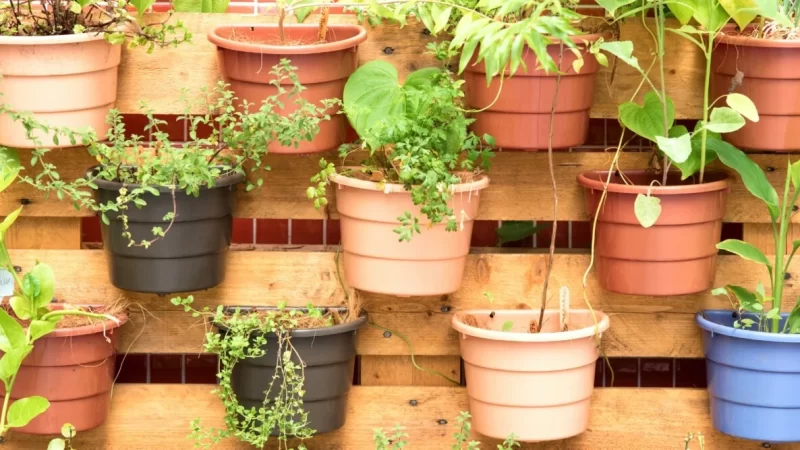
- Raised Garden Beds & Vertical Planters: Beds should be about 24-30 inches high to allow for gardening from a seated position. They should also have a clear knee space underneath. Vertical “living walls” or trellises bring the garden up to eye level.
- Ample, Comfortable Seating: And I don’t mean one bench at the far end. Seating should be plentiful, with armrests and high backs for easy sit-to-stand transitions. Place them every 20-50 feet along paths—creating what designers call “resting opportunities.”
- Shade, Shade, and More Shade: Protection from the sun is a major health priority. Pergolas, gazebos, and large canopy trees create cool, inviting destinations within the garden.
Designing for Dementia and Cognitive Care
For memory care settings, the garden becomes a crucial tool for reducing agitation and promoting orientation. A looped pathway, for instance, is a simple but genius feature. It allows for safe wandering without dead ends that can cause frustration or feelings of being trapped.
Familiarity is comforting. Including plants and features that evoke personal or cultural memories—a clothesline, a vintage-style water pump (non-functional, of course), or classic roses—can spark conversation and connection. Clear visual cues are also key. A bright yellow bench can serve as a much better landmark than “turn left at the hydrangea.”
The Human Element: Fostering Social Connection & Purpose
Here’s the thing we sometimes forget: a garden is a social space. Loneliness is, well, a huge issue in senior living. A well-designed garden naturally draws people out and gives them something to talk about. “Did you see the butterflies on the butterfly bush today?” is a perfect icebreaker.
Including features that encourage group activity is huge. A central table with an umbrella for card games or potting plants. A gentle water feature whose sound masks background noise, making conversation easier. Even a small greenhouse or a dedicated “propagation station” gives residents a sense of purpose—a reason to visit the garden daily to check on “their” seedlings.
Common Pitfalls to Avoid (The “What Not to Do” List)
Sure, it’s good to know what to include. But knowing what to avoid can save a lot of headache—and ensure safety.
- Poisonous or Thorny Plants: This seems obvious, but it’s often overlooked. Always check plant toxicity. Avoid roses with fierce thorns; opt for thornless varieties instead.
- Poor Lighting: Pathways and seating areas need gentle, glare-free lighting for evening use. It extends the garden’s usability and is a major safety feature.
- Unclear Circulation: A confusing layout is discouraging. The path should have a clear, logical flow with sightlines to destinations.
- High-Maintenance Plantings: The goal is to reduce stress, not create a burden. Choose native, drought-resistant plants that don’t require constant fussing.
The Takeaway: It’s About Dignity, Not Just Accessibility
In the end, designing therapeutic and accessible gardens for senior living isn’t just a checklist of ADA guidelines. It’s a philosophy. It’s about creating a place that says, “You are welcome here. You can explore here. You can live here.”
It’s the difference between a path that simply gets you from point A to point B, and a journey that offers a moment of wonder with every turn—the scent of mint underfoot, the sound of a bell ringing in the breeze, the warm wood of a bench perfectly placed in the sun. That’s the real therapy. It’s not in the plants themselves, but in the freedom and joy they help cultivate.