Gardening for Neurological Health: How Dirt, Plants, and Sunlight Can Sharpen Your Mind

Let’s be honest. When you think of brain exercises, you probably picture sudoku puzzles, language apps, or maybe even meditation. But what if I told you one of the most powerful tools for your neurological health is sitting right in your backyard—or on your balcony? That’s right. Gardening isn’t just about growing tomatoes. It’s about growing a healthier, more resilient brain.
Here’s the deal: the simple, repetitive acts of digging, planting, and weeding do far more than beautify your space. They engage your mind and body in a unique symphony that can reduce stress, improve focus, and even potentially stave off cognitive decline. It’s a full-brain workout disguised as a hobby. So, let’s dig into the science—and the soul—of why getting your hands dirty is so darn good for your head.
The Brain in the Garden: A Neurochemical Powerhouse
Ever wonder why you feel so calm and content after a few hours in the garden? It’s not just the fresh air. It’s neurochemistry in action. Gardening acts on your brain in several profound ways.
First, there’s the stress-busting effect. The rhythmic nature of garden tasks—think pruning or raking—can induce a state of “flow,” that magical zone where you lose track of time. This lowers cortisol, your body’s primary stress hormone. High cortisol is brutal on the brain, impairing memory and shrinking the hippocampus. Gardening helps put the brakes on that.
Then there’s the dirt itself. Sounds crazy, but soil contains a bacterium called Mycobacterium vaccae. Studies suggest this little microbe, inhaled or absorbed through the skin, can stimulate the release of serotonin. That’s the neurotransmitter linked to mood and well-being. It’s a natural antidepressant, right there in the ground.
Key Cognitive Benefits of Gardening
Beyond just feeling good, gardening provides tangible cognitive benefits. It’s like cross-training for your mind.
- Executive Function on Overdrive: Planning a garden layout, rotating crops, solving pest problems—these all require planning, organization, and flexible thinking. You’re literally managing a living system, which sharpens those crucial executive functions.
- Memory in Bloom: You have to remember what you planted where, when to water, which plant is perennial. This engages and exercises your spatial and working memory without it feeling like a chore.
- Attention Restoration: Our modern world is full of “directed attention” fatigue—staring at screens, forcing focus. Natural environments, like gardens, promote “soft fascination.” Watching bees flit between flowers or leaves rustle in the wind gives your focused mind a rest, allowing it to recharge. It’s a reset button for your attention span.
Gardening as a Long-Term Shield for Brain Health
This isn’t just about short-term mood boosts. Research is pointing to gardening as a potential long-term player in maintaining cognitive health as we age. Several large studies have found that regular physical activity, especially moderate activities like gardening, is associated with a significantly lower risk of dementia.
Why? Well, it’s a perfect package deal. It combines:
- Physical Exercise: Bending, squatting, lifting—it’s low-impact strength and cardio.
- Sensory Stimulation: The smell of damp soil, the texture of leaves, the vibrant colors. This rich sensory input keeps neural pathways active.
- Vitamin D: Sunlight exposure boosts Vitamin D, which is linked to brain health and may protect against cognitive decline.
- Social Connection: Community gardens or simply sharing produce with a neighbor fights isolation, a major risk factor for cognitive issues.
It’s this multifaceted, holistic engagement that makes gardening uniquely potent. You’re not doing one thing for your brain; you’re doing a dozen at once.
Getting Started: A Brain-Healthy Garden in Any Space
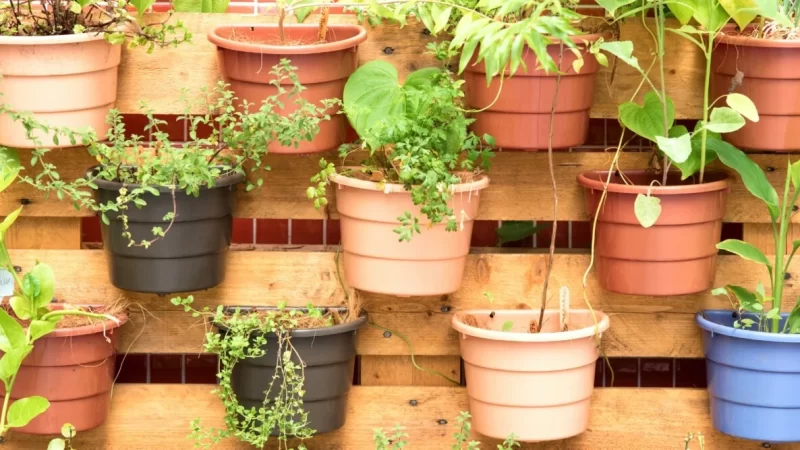
Feeling inspired? Good. But maybe you’re thinking, “I don’t have a big yard.” Honestly, that doesn’t matter. The neurological benefits of gardening aren’t tied to acreage. You can start small. Very small.
| Your Space | Brain-Boosting Garden Idea | Cognitive Skill Engaged |
| Sunny Windowsill | Herb garden (basil, mint, thyme) | Fine motor skills (pruning), sensory stimulation (smell/taste) |
| Small Balcony | Container veggies (lettuce, peppers) & a pollinator flower | Planning & problem-solving (container arrangement, watering schedule) |
| Community Plot | A mix of seasonal vegetables and companion flowers | Executive function (large-scale planning), social connection |
| Shady Corner | Ferns, hostas, or a moss garden | Attention restoration (observing subtle textures and greens) |
The key is to choose plants that suit your conditions and, you know, actually interest you. If you love to cook, grow herbs. If you love color, focus on flowers. The engagement—the caring for something—is the active ingredient for your brain.
Mindful Gardening: Taking It a Step Further
To really amplify the cognitive benefits, try weaving in mindfulness. This isn’t some complicated ritual. It’s simply about being present.
- When you water, really look at each plant. Notice new buds or slight changes in leaf color.
- Feel the soil’s texture. Listen to the sounds around you—birds, the wind, the quiet.
- Let go of the to-do list in your head and just be in the garden. This practice of focused attention on simple sensory details is a powerful meditation. It strengthens your brain’s ability to focus and quiets the mental noise that contributes to stress.
The Takeaway: It’s More Than a Hobby
In a world that often feels abstract and digital, gardening grounds us—literally and neurologically. It reconnects us to the tangible cycles of growth and decay, of effort and reward. And in that reconnection, something remarkable happens in our minds.
We reduce the physiological markers of stress. We exercise a wide range of cognitive functions, from memory to planning. We nourish our brains with sunlight, gentle movement, and maybe even a friendly soil bacterium. We build a buffer against the mental fatigue of modern life.
So, the next time you’re feeling foggy, stressed, or just a bit disconnected, consider stepping outside. Plant a seed, pull a weed, or just sit and observe. You’re not just growing a garden. You’re cultivating a healthier, sharper, more resilient mind. And that’s a harvest worth tending.